If you have recently discovered a coin that looks like a poker chip featuring a ₿ symbol and inscriptions such as The consciousness of man and Value does not exist outside, you are likely holding a Satori Coin. Do not let its lightweight, plastic feel mislead you: what appears to be a cheap gaming token is actually a financial asset serving as a rare physical collectible and a secure gateway to digital funds. In other words, it is actually worth something!
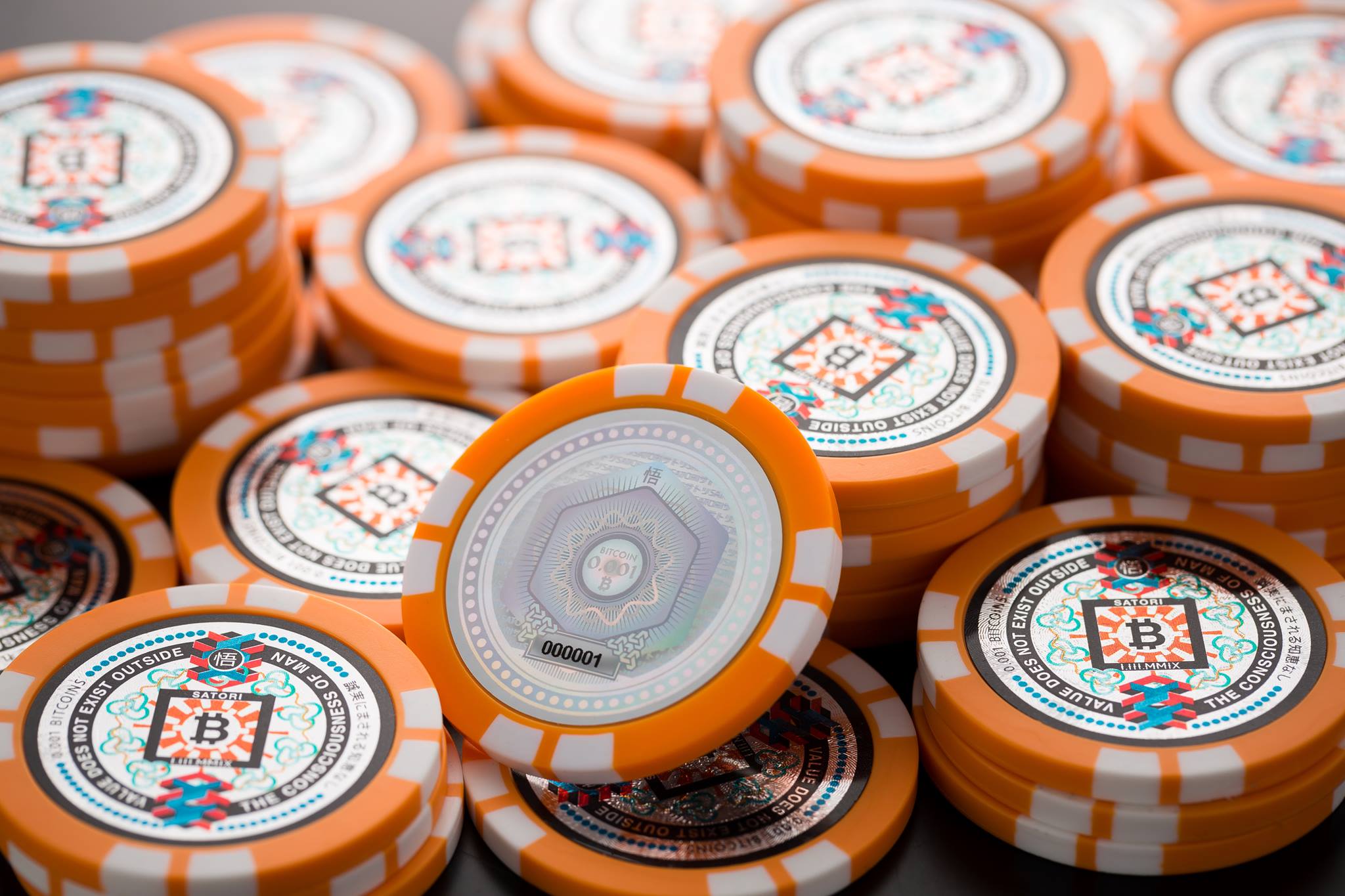
The Satori Coin was launched in 2016, but production ceased in 2018 due to regulatory pressures. Because they are no longer being made, these chips have become relics of Bitcoin’s history. While the value of a single Satori Coin is more modest than that of other collectibles such as Casascius Coins or Bitbills, it still can be sold for a few hundred dollars.
A new series (called the Satori Coin Gi) was released in 2025. This article focuses only on the original Satori Coin series.
First of all, what is Bitcoin?
Bitcoin is a currency, like the US dollar or the Euro. That is, it can be used to buy or sell goods and it can be exchanged for other currencies. Bitcoin does have a few key differences that set it apart from traditional currencies, but for the purpose of this article, you don’t need to understand all of them. However, you should know that:
- Bitcoin is primarily a digital currency. You need to be comfortable with technology.
- Bitcoin is decentralized. That is, it works without central authorities such as governments, banks, or payment platforms. If anything goes wrong, you are on your own.
- Bitcoin transactions are final. Reversals or chargebacks are impossible.
What is a Satori Coin and how does it work?
While Bitcoin is a digital currency, Satori Coins give it a physical form. They contain a hidden, embedded piece of paper printed with a QR code, which acts like a password: whoever possesses it has full control over the associated Bitcoins and can spend or transfer them at will. This QR code is revealed by peeling the holographic sticker on the back of the coin.
How to identify a Satori Coin?
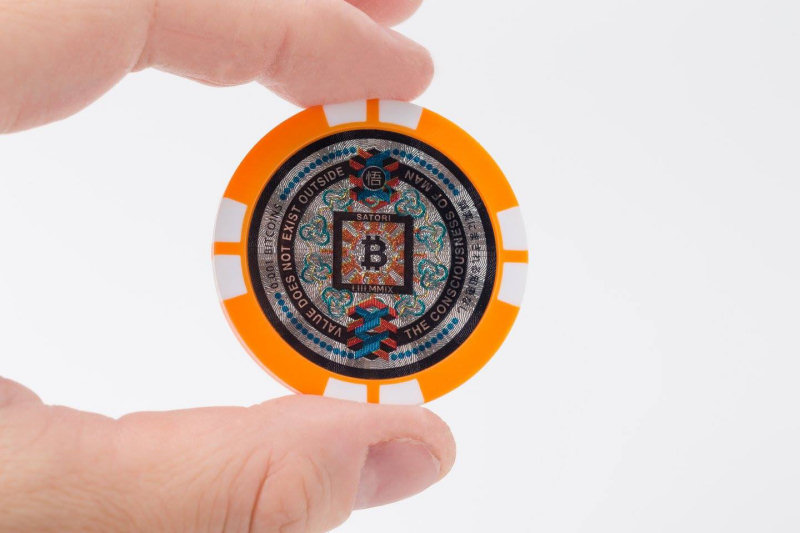
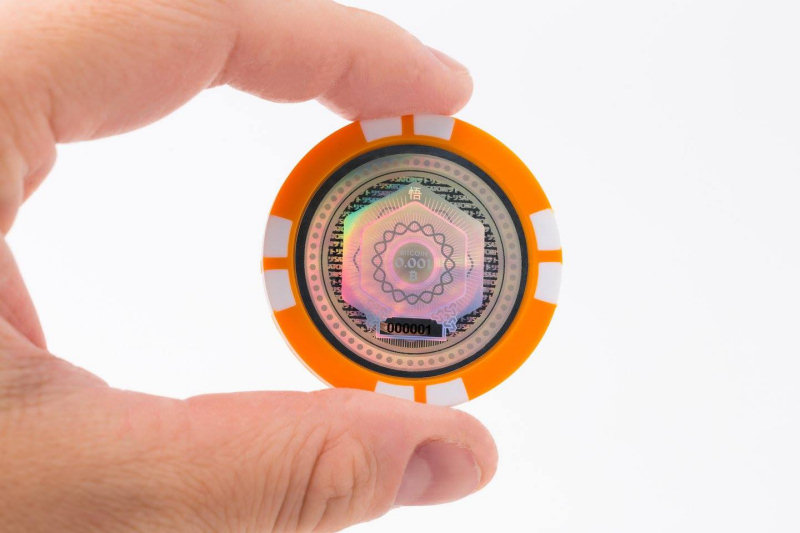
The Satori Coin is easily identifiable by its unique design.
On the front side, it features the ₿ symbol surrounded by the inscriptions The consciousness of man and Value does not exist outside:
On the back side, the coin features a 6-digit serial number and a holographic sticker:
Is my Satori Coin worth anything?
The original Satori Coin series saw a production run of 50,500 units, each loaded with 0.001 BTC, worth approximately $66 USD as of this writing. However, the physical coin itself also has value, typically selling for several hundred dollars on the secondary market. While an unpeeled Satori Coin yields the highest collector premium, even redeemed coins remain valuable relics of Bitcoin’s history, albeit at a lower price point than those with their holographic sticker intact.
How do I check if my Satori Coin is still loaded?
Because the Bitcoin network is a public ledger, anyone can check the status of a Satori Coin.
First, go to Satori Coin’s Balance Lookup page and select Satori Coin Original.
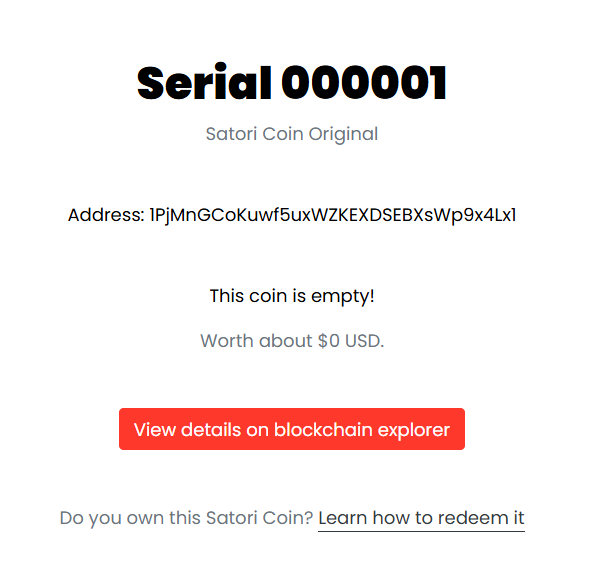
Then, type in your 6-digit serial number. Here, I will use 000001 as an example.
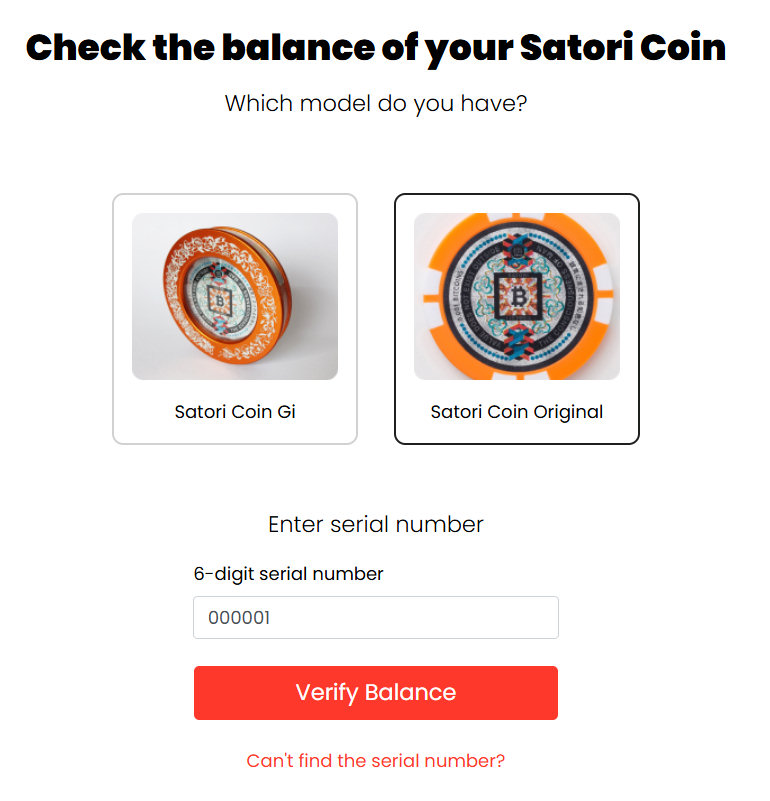
The site will display the current balance associated with your coin. In this case, it is empty; that is, the holographic sticker was peeled and the Bitcoins were redeemed.
What should I do with my Satori Coin?
Your next move depends on your technical comfort level, how much patience you have, and whether that holographic sticker is still intact. Here are your possible courses of action:
Keep your Satori Coin as a collectible
You may choose to keep your Satori Coin regardless of whether the digital funds have been redeemed. The chip itself is a relic of early Bitcoin history that currently commands hundreds of dollars on the secondary market. While market trends are never guaranteed, these physical artifacts have the potential to appreciate as they become increasingly rare.
The coin’s value is naturally higher if it remains loaded. To put this growth in perspective, the 0.001 BTC stored inside was worth only pennies in 2016; as of this writing, that same amount is worth approximately $66 USD. If you are optimistic about the long-term trajectory of Bitcoin, holding the physical coin is the ideal “set it and forget it” strategy.
Should you choose this path, proper storage is essential: preserve the coin in a cool, dry location to prevent degradation; and maintain the chip in pristine condition, as its value to collectors is tied to its physical state.
Sell the Bitcoins
To access the Bitcoins stored on your chip, you must use a digital wallet that supports a process called “sweeping.” I suggest Electrum for desktop computers and Blockchain.com (Android / iPhone) for phones.
Once you have installed your chosen application and set up your wallet, follow these steps:
- Locate the “sweep” feature: Within your wallet’s settings or tools, find the option to “sweep” your QR code.
- Reveal the QR code: Carefully peel the holographic sticker on the back of your Satori Coin.
- Scan and transfer: Use your device’s camera to scan the revealed QR code. The software will then automatically transfer the funds from the physical coin into your digital wallet.
Once the Bitcoins are in your digital wallet, you can cash them out at a cryptocurrency exchange or at a Bitcoin ATM.
Sell the Satori Coin
You may choose to sell the physical chip to a collector. Unlike Bitcoins, which can be liquidated instantly, selling a physical coin requires finding a buyer on secondary markets such as eBay. You will command a significantly higher price if the holographic seal is intact, but even if the funds have been redeemed, the physical chip remains a piece of Bitcoin history and can still be sold for a fair price.
Final thoughts: A piece of Bitcoin history in your hand
Finding a Satori Coin is more than just a lucky financial discovery; it is a brush with a tangible artifact from Bitcoin’s earlier years. These chips represent a unique bridge between the physical world we navigate daily and the digital frontier of cryptocurrency. What was once distributed as a promotional tool has matured into an artifact of Bitcoin’s heritage.
Whether you choose the immediate liquidity of the digital funds or the long-term potential of a rare physical collectible, your next move should be a deliberate one. If you decide to keep your coin intact, treat it with the care you would any high-value asset, preserving its condition in a secure environment. If you choose to peel the seal and redeem the Bitcoins, proceed with the caution that is required for this highly sensitive operation.
Ultimately, you are now the steward of a small piece of digital-age history. Treat your chip with the respect its rarity deserves; after all, you aren’t just holding a currency, you’re holding a legacy!